Table of contents
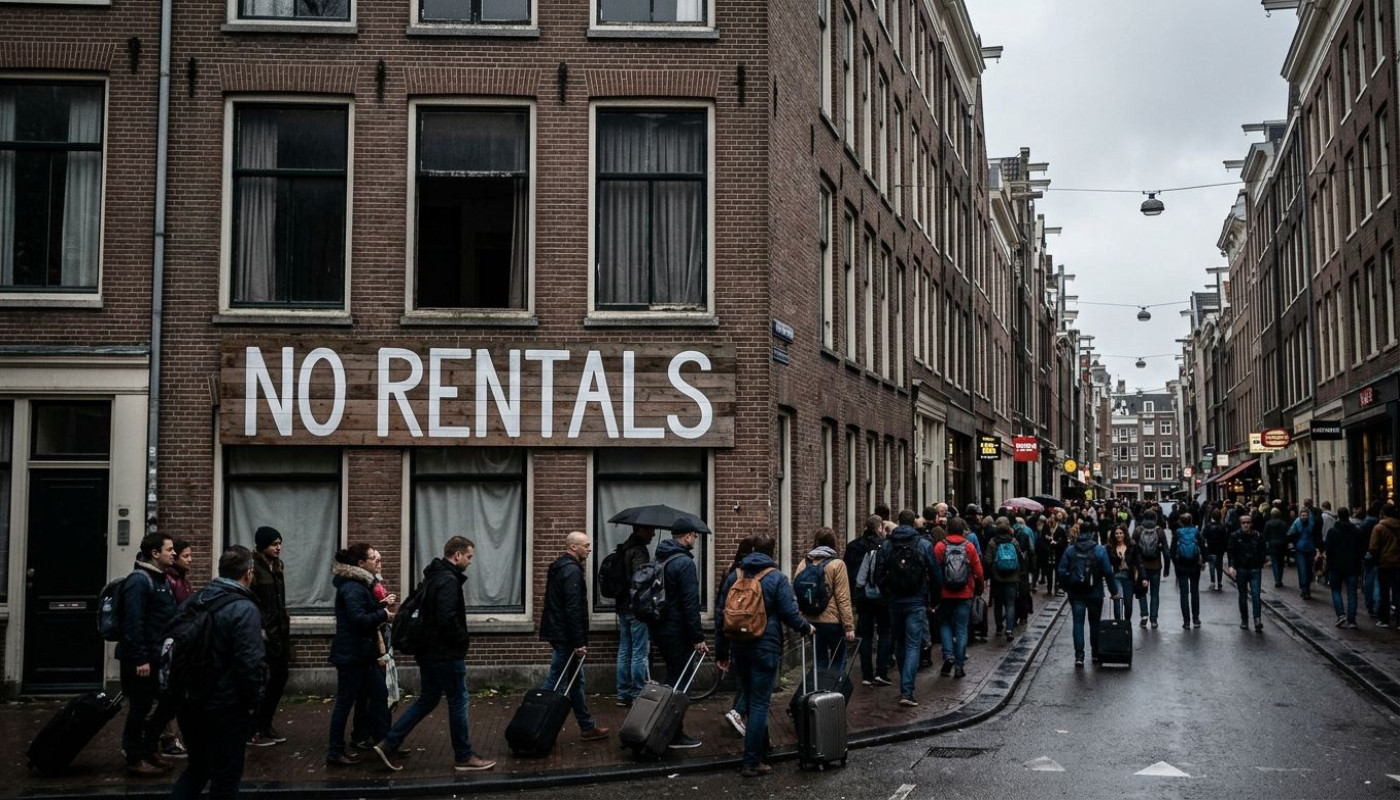
When peak rental season meets strict local regulation, the collision is rarely theoretical, it is visible in court rulings, licensing queues, and suddenly scarce listings. Across Europe’s tourism hotspots, authorities are tightening the screws on short stays just as demand rebounds, and the result is a fast-changing map of what is legal, rentable, and profitable. Spain is a prime example, where regions and municipalities are rewriting rules in real time, and where the line between “tourist” and “seasonal” rentals is increasingly contested.
Spain’s rules are tightening, fast
How quickly can a rental become illegal? In Spain, sometimes in a single vote at city hall, and the shift has been sharpest where political pressure and housing scarcity intersect. Barcelona has long been the symbol of Europe’s anti-tourist-rental backlash, and it has continued to escalate restrictions, including pledges to phase out tourist apartment licenses in the coming years, while stepping up enforcement on unlicensed activity. In parallel, other major destinations have moved to limit new authorisations, cap densities in specific neighbourhoods, and impose building-level or community-level constraints, which can turn a previously viable property into a regulatory risk overnight.
At the national level, the legal architecture remains fragmented, because housing and tourism powers largely sit with Spain’s autonomous communities, while municipalities control planning and permitting. That fragmentation is not a detail, it is the story: a landlord operating across multiple regions faces different registration systems, different definitions, and different enforcement priorities. The Valencian Community, the Balearic Islands, Andalusia, and the Canary Islands each maintain distinct tourist-rental regimes, and they regularly update them, often with short transition windows. For owners and managers, that means a compliance checklist that changes with geography, and the cost of getting it wrong can include fines that run into the tens of thousands of euros in some jurisdictions, plus removal from platforms.
Seasonality makes the squeeze more intense. When demand peaks, occupancy rises, neighbours complain more, inspectors receive more tips, and politicians feel the heat, which is why crackdown headlines tend to cluster around the same periods as tourism booms. The practical outcome is that “high season” is also “high scrutiny”, and enforcement agencies do not need to catch everyone, they only need to create enough visible penalties to reshape behaviour. In that environment, landlords increasingly look for legal categories that fit their risk tolerance, and they pay close attention to the fine print separating tourist rentals, temporary housing, and longer-term leases.
Seasonal rentals: the legal grey zone
Here is the catch: “seasonal” does not always mean “tourist”, and yet it can look identical from the street. Spain’s Urban Leases Act (LAU) distinguishes between leases for a tenant’s permanent residence and “use other than housing”, a category that includes temporary stays linked to work assignments, studies, medical treatment, or other non-permanent needs. In principle, a seasonal lease is not marketed as a holiday product, does not offer hotel-like services, and is justified by the tenant’s temporary purpose. In practice, the market often blurs these lines, especially in beach cities where a one- to three-month stay can be either a digital worker’s project, a family’s summer, or simply a holiday in disguise.
This is where local laws collide with seasonality. Many regional tourist-rental regulations focus on “habitual” or “repeated” short-term accommodation offered to tourists, and they impose registration numbers, habitability standards, liability insurance requirements, complaint books, and sometimes minimum equipment or accessibility conditions. Seasonal leases, by contrast, tend to sit under civil contract rules, but they can be reclassified if authorities conclude the true nature is tourist accommodation. Advertising language matters, the length of stay matters, the services offered matter, and even how check-in is handled can matter, because the closer the operation feels to a hospitality business, the easier it is for inspectors to argue it should be regulated as one.
For readers trying to understand the dividing line in Spain, including the Canary context and the practical differences in obligations and risk, have a peek at this web-site, which lays out how the two models diverge and what typically triggers regulatory attention. The core insight is simple: seasonality itself is not illegal, but the “why” and “how” of a stay increasingly determine which legal regime applies, and the burden of proof tends to fall on the party earning income from the property.
Platforms boost demand, regulators boost enforcement
Can a listing description become a liability? Increasingly, yes, because the modern rental economy leaves a dense digital trail. Platforms have professionalised the market, made pricing more dynamic, and widened demand beyond the traditional Saturday-to-Saturday holiday, but they have also made enforcement easier. Inspectors do not need to walk door-to-door; they can screen listings, match photos to buildings, and cross-check registration numbers, then follow up with targeted visits. Municipalities and regions have also pushed for stronger data-sharing, and while practices vary, the direction is clear: authorities want platforms to help identify unregistered units and to delist those that do not meet local requirements.
The collision with seasonality is particularly visible in shoulder months, when owners try to stitch together income by mixing short stays with longer ones. A property might run as a tourist rental in July and August, then pivot to a two-month autumn booking aimed at remote workers, and finally accept sporadic winter stays. From a revenue perspective, it is logical, because it smooths cash flow and improves annual yield. From a compliance perspective, it is risky, because switching regimes is not always as simple as changing minimum nights, and local rules often hinge on the nature of the activity, not merely the calendar. Authorities may ask whether the dwelling is being “commercially exploited” in a way that fits tourist accommodation, and whether the operator is meeting sectoral obligations such as guest registration with police systems, consumer complaint mechanisms, and safety requirements.
Data suggests why regulators remain under pressure. Tourism in Spain has returned to, and in some periods exceeded, pre-pandemic levels: the country welcomed roughly 85 million international tourists in 2023, according to Spain’s national statistics office (INE), and 2024 has continued at a high pace in many destinations. Housing, meanwhile, remains scarce in high-demand cities and islands, and rents have been politically explosive. When hotel occupancy is strong and flights are full, the political narrative that short-term rentals “take homes off the market” gains traction, whether or not each individual listing would ever have served as a long-term home. That is why enforcement often tightens precisely when owners feel most confident about demand.
What landlords and tenants should do next
Ignore the paperwork and hope for the best? That strategy has become expensive. The first step is to map the property to the correct legal category, and to do it with local specificity: the same business model can be treated differently a few kilometres away. Owners should verify whether their municipality imposes zoning limits, caps, community-of-owners conditions, or building restrictions, then check regional registration requirements, then review national-level lease rules under the LAU for temporary contracts. If the model is seasonal, the contract needs to reflect a genuine temporary purpose, and documentation should support it, because a generic “temporary” label without a credible reason may not withstand scrutiny.
Operational details matter, too. Advertising that targets “tourists”, “holidaymakers”, or “weekend escapes”, offering hotel-style services, rotating very short stays, and using self-check-in systems without robust guest registration can all increase the odds that authorities treat the activity as a tourist rental. Conversely, longer minimum stays, tenant profiles linked to work or study, clear contract terms, and compliance with the obligations that apply to the chosen model can reduce risk. Tenants also benefit from clarity: seasonal renters should understand what rights they do and do not have compared with primary-residence tenants, because the protective regime is not the same, and disputes often arise around deposits, early termination, and what happens when a “temporary” stay quietly turns into a de facto home.
Finally, budgeting needs to include compliance costs, not only furnishing and maintenance. Depending on location and model, these can include registration fees, insurance, safety upgrades, professional cleaning documentation, and the time cost of dealing with inspections and complaints. In strict markets, owners increasingly pay for legal review of listings and contracts, because the cost of a careful setup can be far lower than the cost of a single sanction, a forced delisting in peak season, or a legal dispute with a tenant who believed they were entering a different kind of lease.
Where the next flashpoints are likely
Will regulation cool down once the summer ends? Unlikely, because the underlying pressures are structural, and they are not confined to peak months. Local governments face voters angry about rent inflation, overcrowding, and the loss of residential life in central neighbourhoods, and national politics has also turned housing into a high-stakes issue. That means rule changes can arrive in winter as easily as in June, and the announcement effect alone can reshape the market, because banks, insurers, and professional managers price regulatory risk into their decisions.
Expect the sharpest flashpoints in places where tourism is both economically central and socially contentious: dense historic centres, coastal hotspots with limited land, and islands with tight housing supply. The Canaries and Balearics fit that profile, as do parts of Andalusia and the Mediterranean coast, and major cities continue to test new restrictions. Another likely flashpoint is enforcement technology. As data-sharing improves and registration systems become more standardised, the advantage of “flying under the radar” shrinks, and compliance becomes a competitive differentiator rather than a bureaucratic nuisance.
The market is also adapting in ways that complicate the picture. Some owners will shift toward medium-term stays to capture demand from remote workers and seasonal employees, while avoiding tourist-rental rules, and some cities may respond by tightening definitions to prevent loopholes. Others will professionalise within the tourist-rental regime, accepting stricter standards in exchange for stability. Either way, the collision between seasonality and local law is no longer a niche concern, it is a central factor shaping returns, availability, and the day-to-day experience of living in, and visiting, Spain’s most desirable places.
Plan early, and budget for compliance
Securing a legal rental model now requires lead time, especially in high-demand municipalities where registration or licensing can bottleneck. Build a compliance budget alongside furnishing and marketing, and if you are switching between tourist and seasonal use, align contracts, listings, and operations before taking bookings. Local housing offices and professional advisers can help; waiting until peak season raises costs and risks.
Similar articles

How to play Plinko Casino online for real money : guide for beginners
